How Discord Marketing Creates Authentic Brand Connections

In today’s digital-first landscape, brands are constantly seeking ways to move beyond traditional advertising and foster genuine connections with their audiences. While social platforms like Instagram, Twitter (X), and LinkedIn are powerful, they often lack the intimacy and community-driven spirit that people now crave. This is where Discord marketing steps in, providing brands with a platform that blends community, engagement, and authenticity.
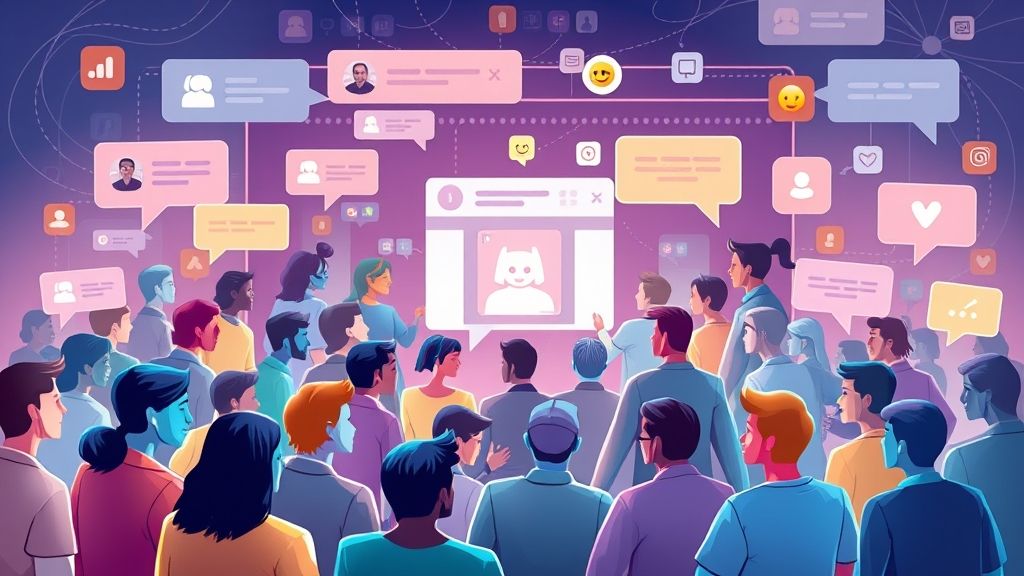
Discord, originally designed for gamers, has evolved into a versatile hub for all kinds of communities—crypto projects, startups, e-commerce brands, influencers, and even global enterprises. Its core value lies in one thing: enabling brands to build authentic, two-way connections with their audiences. Unlike traditional platforms that prioritize broadcasting messages, Discord thrives on dialogue, collaboration, and trust.
1. Community-Centric Branding
Most social platforms focus on followers and likes, but Discord prioritizes communities and belonging. A brand Discord server is essentially a digital gathering place where customers, fans, and brand ambassadors can interact not only with the brand itself but also with each other.
This sense of community removes the transactional tone often associated with marketing. Instead, members feel like they are part of a movement, not just customers. For example, NFT and Web3 projects have leveraged Discord servers to create thriving ecosystems where members share updates, celebrate milestones, and collaborate on future goals.
By marketing on Discord, brands shift the narrative from “us vs. them” to “we’re all in this together”—a powerful driver of authenticity.
2. Real-Time Interaction Builds Trust
Traditional marketing channels often rely on scheduled content, paid promotions, or static posts. Discord, on the other hand, encourages real-time interactions. Through text channels, voice chats, or live streams, brands can instantly address concerns, answer questions, or even celebrate customer achievements.
This immediacy makes customers feel heard and valued. For example, a tech startup can host live “Ask Me Anything” (AMA) sessions on Discord, where users get direct answers from the founders. The transparency of these real-time exchanges builds a foundation of trust that no polished ad campaign could replicate.
Authenticity is born when brands drop the corporate facade and show up as accessible, relatable humans.
3. Personalization Through Segmented Channels
Discord allows brands to structure their servers with multiple channels, each serving different purposes. For example:
- A support channel for customer queries.
- A feedback channel where users can suggest improvements.
- A news/announcements channel for official updates.
- Fun, off-topic channels that allow members to bond over shared interests.
This channel segmentation fosters personalization. Instead of forcing all interactions into one space, Discord enables tailored experiences. A community member interested in product updates can stick to the announcements channel, while another who enjoys community banter can hang out in casual chat.
By giving people choices in how they engage, brands show respect for their audience’s time and preferences another key element of authenticity.
4. Peer-to-Peer Engagement Strengthens Loyalty
One of the biggest differences between Discord and other platforms is the way it empowers peer-to-peer engagement. Members aren’t just passive consumers of content—they can share their stories, offer advice, and celebrate each other’s achievements.
This peer-driven model takes the pressure off brands to constantly push content. Instead, the community sustains itself through genuine conversations and shared enthusiasm. Over time, this creates a sense of loyalty far deeper than what paid campaigns could ever achieve.
For example, in a fashion brand’s Discord server, members might share photos of their outfits, give styling tips, and recommend new products. Here, the brand is more of a facilitator than a broadcaster, which makes the experience feel less transactional and more community-led.
5. Gamification and Rewards Build Emotional Connection
Discord marketing often integrates gamification—things like leaderboards, badges, or reward systems for active members. By recognizing and rewarding contributions, brands make their community members feel valued.
For example:
- A Web3 startup could reward early adopters with exclusive NFTs or tokens.
- An e-commerce brand could host giveaways for active community contributors.
- A SaaS company might grant special roles or access to beta features for engaged users.
These initiatives do more than just incentivize participation—they create emotional connections. Members feel a sense of pride and belonging when recognized by the brand, turning them into loyal advocates who promote the brand authentically.
6. Transparency Creates Authenticity
Today’s consumers are skeptical of polished advertising. They want transparency, honesty, and vulnerability from the brands they support. Discord’s open discussions and direct communication style make it a perfect platform for this.
For example, when brands share product roadmaps, acknowledge mistakes, or openly ask for feedback within their Discord community, it creates authenticity. People don’t expect perfection—they expect honesty. Discord allows brands to have unfiltered, human conversations, which strengthens trust and connection.
7. Influencer and Ambassador Programs Amplify Reach
Many brands use Discord to manage influencer and ambassador programs. Instead of relying solely on one-way influencer promotions, Discord allows influencers to directly interact with fans within the brand’s community.
This deeper engagement enhances credibility. Members see influencers not as distant figures but as active community participants. It blurs the line between brand, influencer, and audience, leading to more genuine interactions.
8. Long-Term Engagement, Not One-Off Campaigns
Traditional marketing campaigns often have a start and end date. Discord marketing is different—it’s about ongoing engagement. The community doesn’t disappear after a product launch or campaign; it evolves with the brand.
This continuity makes relationships stronger over time. Members who have been with the community from the beginning often become loyal advocates, spreading the brand’s message organically.
By investing in Discord, brands build long-term trust and authentic relationships rather than fleeting impressions.
9. Case Example: Web3 and Crypto Projects
Perhaps the clearest example of Discord’s power lies in the Web3 ecosystem. Nearly every successful crypto project or NFT launch uses Discord as its primary community hub. Why? Because Web3 is built on principles of decentralization, collaboration, and transparency values that align perfectly with Discord.
Members share ideas, vote on governance proposals, and celebrate milestones together. This creates an authentic bond between the project and its supporters, driving not only engagement but also financial and emotional investment.
Conclusion
In an era where audiences are becoming increasingly skeptical of traditional advertising, authenticity is the new currency of brand success. Discord provides the perfect environment for this authenticity by prioritizing community, dialogue, and trust over polished campaigns and mass marketing. Through real-time interactions, personalization, transparency, and peer-driven engagement, Discord marketing helps brands build connections that go beyond surface-level engagement. It transforms audiences into communities, customers into advocates, and brands into trusted allies. For businesses seeking not just visibility but authentic, lasting relationships, Discord is no longer an optional platform it’s an essential one.
Howdy, Stranger!