Gold Tokenization Explained: Asset Onboarding from Mines to Digital Ledgers

The intersection of ancient wealth and modern technology has created an entirely new way to own and trade gold. Gold tokenization is reshaping the precious metals market by converting physical gold into digital assets that anyone with an internet connection can access. This transformation isn't just about convenience it's about reimagining ownership itself in the digital age.
What Exactly Is Gold Tokenization?
Imagine owning a piece of gold without ever touching it, storing it, or worrying about its security. That's the essence of gold tokenization.
At its core, gold tokenization creates digital representations of physical gold on blockchain networks. Each digital token acts as a certificate proving you own a specific quantity of real gold stored in a secure vault somewhere in the world. These aren't just promises or paper certificates they're cryptographically secured ownership records that cannot be altered or forged.
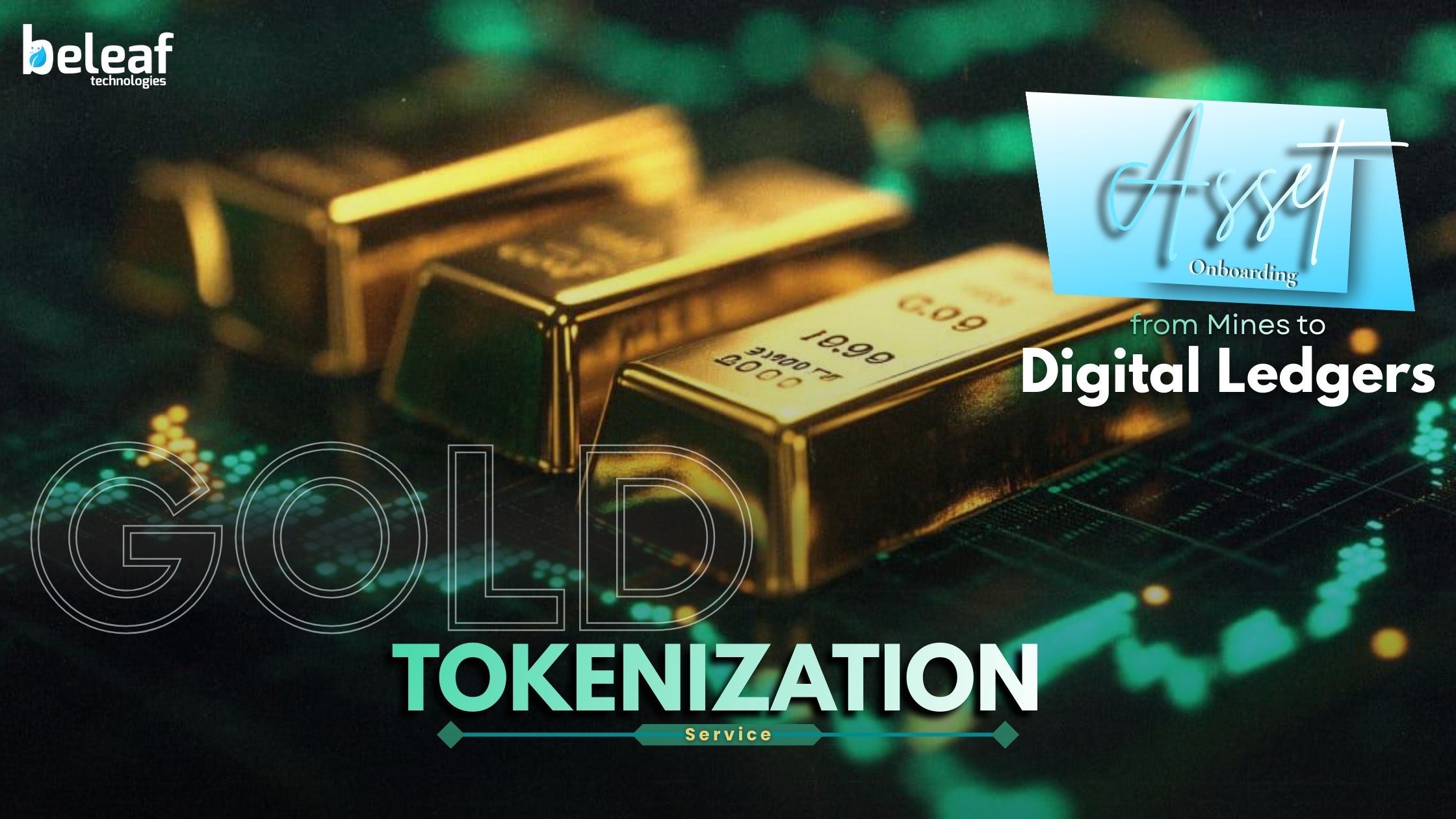
When you buy tokenized gold assets, you're not purchasing a derivative or a gold-related financial product. You're buying actual gold ownership, just packaged in a digital format that's easier to trade, divide, and transfer than physical bars or coins.
How Does Gold Travel from Mines to Become Digital Assets?
Before any gold becomes a digital token, it must travel through a rigorous supply chain that ensures quality, authenticity, and ethical sourcing. The journey starts deep underground where mining operations extract raw gold using various methods. Responsible tokenized gold platforms only work with mines that follow ethical practices meaning no child labor, fair worker compensation, minimal environmental impact, and compliance with international standards.
Where Is the Physical Gold Actually Stored and Protected?
Physical security forms the bedrock of any credible gold tokenization system. These facilities feature military-grade security including reinforced concrete structures, advanced alarm systems, 24/7 armed security personnel, and sophisticated access controls. The physical gold backing your tokens sits in these vaults, often in segregated storage where your specific bars are identified and separated from others.
Which Blockchain Technology Powers Tokenized Gold Platforms?
Once gold is safely stored, technology creates the digital ownership layer. Different tokenized gold platforms use different blockchain networks based on their priorities. Ethereum offers robust smart contract capabilities and widespread adoption. Stellar provides fast, low-cost transactions ideal for frequent trading.
Smart contracts are self-executing programs stored on the blockchain that govern how tokenized gold assets behave. These contracts define critical rules: how many tokens can be created, what happens during buying or selling, how redemption works, and what fees apply to transactions.
How Do Investors Actually Buy and Manage Tokenized Gold Assets?
Starting with gold tokenization requires creating an account on a tokenized gold platform. Platforms verify your identity through KYC procedures submitting identification documents and proof of address to ensure regulatory compliance. After verification is complete, you can add funds to your account through options such as bank transfers, debit or credit cards, or supported cryptocurrencies. You then place an order for tokenized gold assets, and the platform executes your order, transferring tokens to your account wallet.
One of gold tokenization's most powerful features is easy transferability you can send tokens to another wallet address almost instantly, enabling peer-to-peer gold transfers. Trading happens 24/7 on digital exchanges, providing continuous market access impossible with traditional gold markets.
How Can Investors Verify Their Gold Actually Exists?
Credible platforms commission regular audits from independent firms specializing in precious metals verification. Auditors physically visit vaults, count bars, verify serial numbers, and compare findings against blockchain records. These audit reports are published publicly, typically quarterly or semi-annually, providing detailed breakdowns of gold holdings.
Some advanced tokenized gold platforms implement cryptographic proof-of-reserves systems that allow users to verify at any time that the platform controls sufficient gold to back all outstanding tokens.
What Economic Benefits Does Gold Tokenization Offer Investors?
Traditional gold investment often requires significant capital a standard 400-ounce gold bar costs over $800,000. Tokenization shatters these barriers, with many platforms allowing purchases starting at just $1, making gold accessible regardless of wealth.
Buying physical gold involves dealer markups, shipping fees, insurance, and storage costs totaling 5-10% of your investment. Tokenized gold platforms typically charge 0.5-2% transaction fees with minimal ongoing storage costs. These savings compound over time, significantly improving returns.
What Should Investors Consider for Safe Investment?
Smart investors evaluate important factors before making decisions. Your investment's strength relies on selecting excellent custodians who properly store gold. Look for custodians with comprehensive insurance, advanced security, financial stability, and regulatory compliance.
The best tokenized gold platforms invest heavily in technology and security. Before investing, look for platforms with strong financial backing, transparent operations, published audit reports, and clear communication channels. Reputable platforms have their smart contracts audited by specialized security firms, implementing multi-signature controls and time-locked upgrades for added security.
Where Is Gold Tokenization Headed in the Future?
Major financial institutions are beginning to explore tokenized gold assets. Banks see opportunities for gold investment products with lower overhead. Pension funds appreciate the combination of gold's stability and blockchain's efficiency. This institutional validation brings capital, credibility, and infrastructure development.
The emerging DeFi ecosystem presents innovative possibilities, including utilising gold holdings as collateral for loans, earning yield by providing liquidity, or participating in gold-backed stablecoin systems. Emerging cross-chain bridge technologies will enable moving tokenized gold assets between different blockchain networks, creating more unified, liquid markets.
Conclusion
Gold investment has entered a new era. Gold tokenization combines the trusted value of physical gold with digital convenience, making precious metals accessible to everyone. Traditional gold buying required large investments and secure storage. Today's tokenized gold platforms have transformed this completely. You can start with small amounts, trade instantly, and manage your tokenized gold assets from your smartphone no vaults, no security worries, no barriers.
Real gold travels from mines through refining to secure facilities, while blockchain technology creates digital tokens representing this physical gold. Tokenized of Gold Development Service provides the technical foundation that makes these platforms secure, transparent, and compliant, ensuring complete investor trust.
Howdy, Stranger!